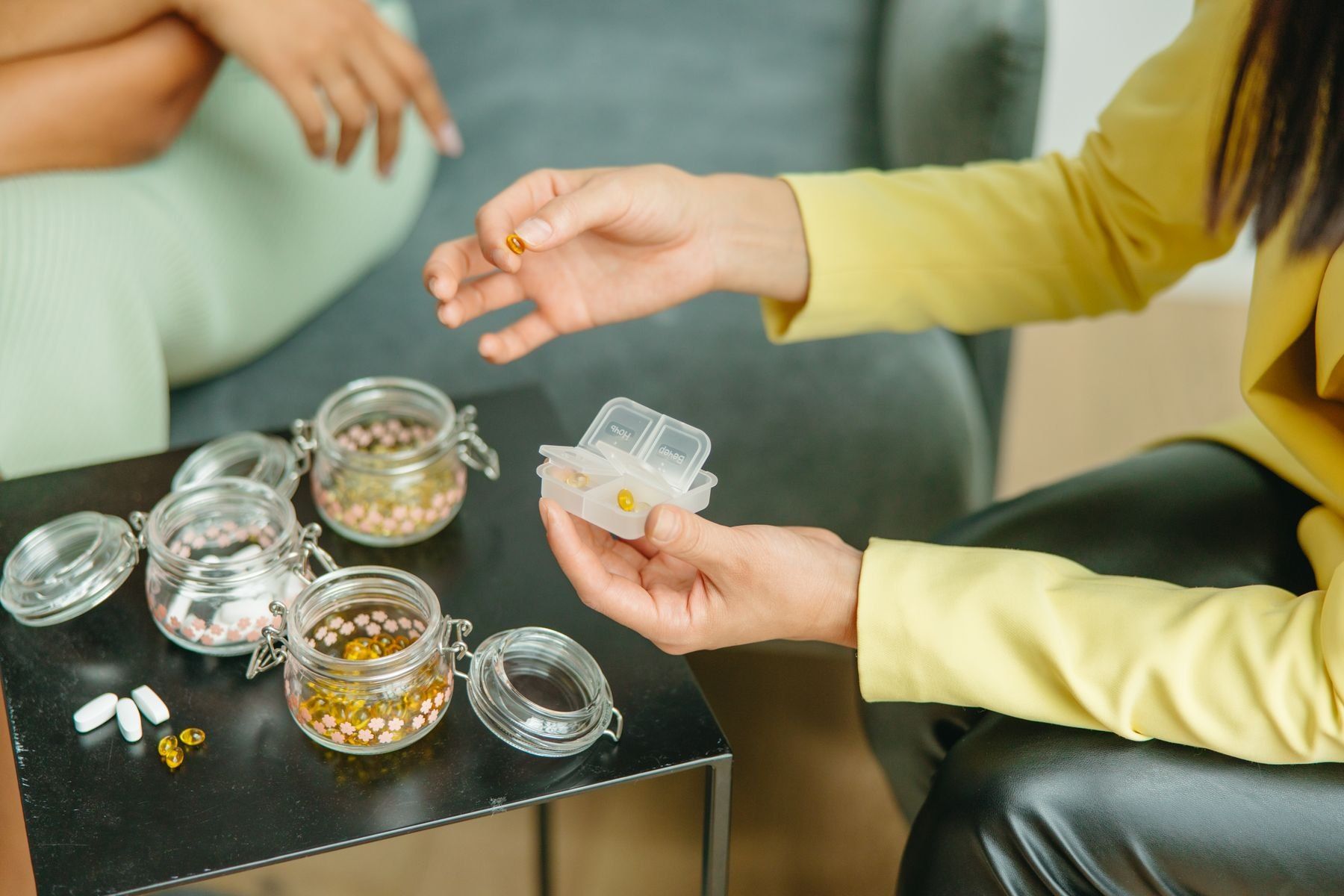
The best probiotic is the one with a named strain that has been tested for your problem, at a dose that is still alive on the day you take it. Brand and CFU size come after that. We read six best-selling labels, priced each one per day and per billion live cells, and checked the strains against the gut doctors’ own guideline. Here is what we found, and where each one falls short.
We did not take these products or run lab tests. We read each seller’s page on 18 November 2026, plus the guideline and reviews linked below. No brand pays us, and there are no affiliate links on this page.
Best Probiotic: Our Ranked List
- Culturelle Digestive Daily: best everyday value. $0.59 a day, 10 billion CFU.
- Florastor: best to take with antibiotics. $1.15 a capsule.
- Seed DS-01: best multi-strain pick with a bloating trial. $1.67 a day.
- Garden of Life Once Daily Women’s: lowest cost per billion CFU.
- Ritual Synbiotic+: two well-studied strains in one capsule. $1.80 a day.
- Align 24/7: one studied strain, but the weakest best-by count.
What’s New in Probiotics for 2026
Seed published a new trial in January. It tested DS-01 in 350 adults with bloating for six weeks, against a placebo. NutraIngredients reports that 76% of people on DS-01 said their belly pain dropped or went away. Seed paid for the study, so we treat it as a strong first result, not the last word.
The rules did not change. The American Gastroenterological Association (AGA) guideline from 2020 still says most digestive problems lack enough proof for a probiotic. It backs a few uses, and those uses name exact strains. That is why this list cares more about the strain than the brand.
How We Researched the Best Probiotic
Prices. We took each price from the seller’s own page or a large grocer on 18 November 2026. Then we worked out the cost per day at the label dose.
Live cells. We read the CFU claim on each label and noted when the count is promised. A count “at manufacture” can drop a lot by the best-by date. The NIH Office of Dietary Supplements tells buyers to look for the count at the end of shelf life.
Evidence. We matched each strain to the AGA guideline and to a 2019 Cochrane review of 33 trials.
Quality. We checked ConsumerLab’s lab tests for how often products fall short of their labels.
Our Cost Ledger: Six Probiotics on Equal Terms
Sticker price hides a lot. Seed has 24 strains and costs more per day. Culturelle has one strain and costs far less. The fairest test is the cost of one billion live cells. This ledger uses each label’s own count.
| Product | Price read | Per day | Count per day | Per billion |
|---|---|---|---|---|
| Culturelle Digestive Daily | $17.99 for 30 | $0.59 | 10 billion CFU | $0.059 |
| Florastor | $22.99 for 20 | $1.15 | 250 mg yeast | not stated |
| Seed DS-01 | $49.99 for 30 days | $1.67 | 53.6 billion AFU | $0.031 |
| Garden of Life Women's | $36.79 for 30 | $1.23 | 50 billion CFU | $0.025 |
| Ritual Synbiotic+ | $54.00 for 30 | $1.80 | 11 billion CFU | $0.16 |
| Align 24/7 | $39.99 for 42 | $0.95 | 10 million at best-by | $95 |
Align’s row is not a typo. Its label promises 1 billion cells when made, but only 10 million until the best-by date. That is 1% of the starting count. Seed counts cells in AFU, a different unit from CFU, so compare its row with care. Our probiotic cost calculator runs the same math on any label.
1. Culturelle Digestive Daily: Best Everyday Value
Culturelle has one strain, Lactobacillus rhamnosus GG, often called LGG. You will see the name Lactobacillus rhamnosus GG on many labels, because it is the best known strain for gut use. Each capsule holds 10 billion CFU. A 30-count box is $17.99 on Culturelle’s site, or $0.59 a capsule. The 50-count drops to $0.53.
LGG is one of the most tested strains there is. The NIH fact sheet notes that LGG worked best for infectious diarrhea at a dose of about 10 billion CFU a day. That matches this capsule. It is a single hardy strain, so it does not need a fridge.
Who it suits: anyone who wants a proven strain at a low daily cost. During antibiotics, Culturelle says to take one capsule twice a day and keep going for 10 days after.
Watch for: one strain only. If you want a broad blend, look at Seed.
2. Florastor: Best to Take With Antibiotics
Florastor is not a bacterium. It is a yeast, Saccharomyces boulardii CNCM I-745. Antibiotics kill bacteria, but they do not kill yeast. That is the main reason people pair it with a course of antibiotics.
The AGA guideline backs this use. For adults and children on antibiotics, it suggests S. boulardii to help prevent C. difficile infection.
It is one of only a few options the guideline names. A 20-count box was $22.99 at Kroger, or $1.15 a capsule.
Watch for: the label gives 250 mg, not a CFU count, so you cannot price it per billion. Florastor says under 1% of users report mild constipation or thirst.
3. Seed DS-01: Best Multi-Strain Pick With a Trial
Seed DS-01 is a two-capsule daily blend of 24 strains. A 30-day jar is $49.99 on Seed’s site, or $1.67 a day. Add up its four label blends and you get 53.6 billion AFU a day.
AFU stands for active fluorescent units. A machine counts cells that light up. CFU counts cells that grow on a plate. The two numbers are not the same, so a 53.6 billion AFU dose is not the same as 53.6 billion CFU. Seed is open about this, but most buyers miss it.
The new 350-person trial is the best reason to buy it. Bloating eased for many people on DS-01 compared with placebo over six weeks. The trial was paid for by Seed, so wait for a second team to repeat it. Read our full Seed probiotic review for the label math.
4. Garden of Life Once Daily Women’s: Lowest Cost Per Billion
This capsule packs 50 billion CFU from 16 strains. A 30-count bottle is $36.79 on Garden of Life’s page, or $1.23 a serving. That works out to about 2.5 cents per billion CFU, the lowest of the six.
Big numbers are not proof, though. The NIH notes that higher CFU counts are not necessarily more effective.
Garden of Life lists strains like L. reuteri and L. fermentum, and it ships in a shelf-stable bottle. Our best probiotic for women guide compares it with strains made for vaginal health.
5. Ritual Synbiotic+: Two Well-Studied Strains
Ritual pairs Lactobacillus rhamnosus GG with Bifidobacterium animalis subsp. lactis BB-12, often sold as Bifidobacterium lactis BB-12. Together they give 11 billion CFU in one capsule. The regular price is $54.00 for 30 on Ritual’s page, or $1.80 a day. A first-order sale price of $32.40 shows up, but it renews at the full price.
Both strains have a long record in trials. Bifidobacterium lactis strains also show up in the constipation studies, where they nudged stool counts up a little. Still, you are paying about three times Culturelle’s price for one extra strain. Ritual sells it on a monthly plan that renews on its own.
6. Align 24/7: Studied Strain, Weak Best-By Count
Align uses one strain, Bifidobacterium longum 35624. Its makers say it was developed by gut doctors and has more than 20 years of research. A 42-count box was $39.99 at Kroger, or $0.95 a capsule.
The label is the problem. Per the iHerb label text, each capsule has 1 billion cells when made and promises 10 million until best-by. That gap is wide. Our Culturelle vs Align comparison goes through it line by line.
Probiotic Pills, Food and Your Gut Microbiome
Your gut microbiome is the huge mix of microbes that live in your gut. A capsule adds a small, chosen group of them for a while. Most probiotic strains do not settle in for good, so the effect tends to fade after you stop.
Food is the other route. Yogurt, kefir and other fermented foods carry live cultures, but the label rarely names a strain or a count. That makes them good food and a poor stand-in for a tested dose. The NCCIH notes that probiotics show up in yogurt, fermented foods, dietary supplements and even beauty products.
Our take: eat fermented foods because you like them. Use a capsule when you have a clear goal and a strain tested for it.
What Lab Tests Say About Probiotic Labels
Labels are not always right. ConsumerLab bought and tested probiotic supplements, and four could not be approved, mainly because they held fewer live cells than expected. One held only 14 million viable cells. Twenty-five products did contain their listed amounts.
What that means for you: buy from a brand that states a count at the end of shelf life, store it as the label says, and finish the bottle before the best-by date.
How to Choose the Best Probiotic for You
Start with the problem. A probiotic is not a general health booster. Pick one for a clear goal, like diarrhea during antibiotics or bloating.
Find the strain name. Look for the letters and numbers after the species, like GG, 35624 or CNCM I-745. The World Gastroenterology Organisation says effects are strain-specific and dose-specific. A species name alone tells you little.
Check when the count is promised. “At time of use” or “through best-by” is what you want.
Price it per billion. Use the label count and the price per day.
Give it time, then stop if nothing changes. If a product does nothing after a few weeks, it may not be the right strain for you.
Know who should ask a doctor first. People with a weak immune system and preterm babies face real risks. Read our guide to probiotic side effects before you start.
Best Probiotic FAQ
What is the best probiotic to take daily?
For most adults, Culturelle Digestive Daily is the best value. It has 10 billion CFU of LGG, one of the most tested strains, for $0.59 a day. Pick Seed DS-01 if bloating is your main issue and you want a blend with a recent placebo trial. Choose based on your goal, not on the biggest CFU number.
How many CFU should a probiotic have?
There is no single right number. The NIH says many products hold 1 to 10 billion CFU per dose, and higher counts are not necessarily better. Match the dose used in trials for your strain. For LGG, trials on infectious diarrhea used about 10 billion CFU a day. Also check whether the count is promised at best-by.
Do probiotics need to be refrigerated?
Some do and some do not. Culturelle’s LGG capsule is shelf-stable and only needs a cool, dry place. Garden of Life ships in a shelf-stable bottle. Others must stay cold. The NIH says to follow the storage line on the label, because heat and moisture kill live cells before the best-by date.
Can I take a probiotic with antibiotics?
Yes, and that is one of the best-backed uses. The AGA suggests S. boulardii, as in Florastor, and a few named strain blends to help prevent C. difficile during antibiotics. A Cochrane review of 33 trials in children found diarrhea in 8% of those on probiotics against 19% without. Space doses as the label directs.
How long do probiotics take to work?
Most trials run for a few weeks. Seed’s bloating trial lasted six weeks. For diarrhea during antibiotics, the effect shows up during the course. If you notice no change after about a month on a strain chosen for your problem, the product may not suit you, and it is fine to stop.
Verdict: The Best Probiotic in 2026
The best probiotic for most people is Culturelle Digestive Daily. It gives 10 billion CFU of a well-tested strain for $0.59 a day, with no fridge needed. Take Florastor alongside antibiotics, since the AGA names its yeast strain for that job. Choose Seed DS-01 if bloating is the goal and the price of $1.67 a day is fine. Skip any label that only promises its count at the time it was made.
Deposit references
- NutraIngredients: NutraIngredients reports nutraingredients.com
- American Gastroenterological Association: American Gastroenterological Association (AGA) guideline gastro.org
- NIH Office of Dietary Supplements: NIH Office of Dietary Supplements ods.od.nih.gov
- Cochrane: Cochrane review cochrane.org
- ConsumerLab: ConsumerLab's lab tests consumerlab.com
- Culturelle: Culturelle's site culturelle.com
- Kroger: Kroger kroger.com
- Seed Health: Seed's site seed.com
- Garden of Life: Garden of Life's page gardenoflife.com
- Ritual: Ritual's page ritual.com
- Kroger: Kroger kroger.com
- iHerb: IHerb label text iherb.com
- NIH NCCIH: NCCIH nccih.nih.gov
- World Gastroenterology Organisation: World Gastroenterology Organisation worldgastroenterology.org
Every source was read on Nov 18, 2026. Where a number is our own math, the page shows the working. Found an error? Write to bench@probiotics.best. Fixes go in the deviations log.